An online trading app plays an important role in how individuals access financial markets and manage investments efficiently. The structure of an online trading app directly influences how users understand market movements, place trades, and monitor portfolios. A well-organized system allows users to act with clarity rather than confusion, especially during active market hours.
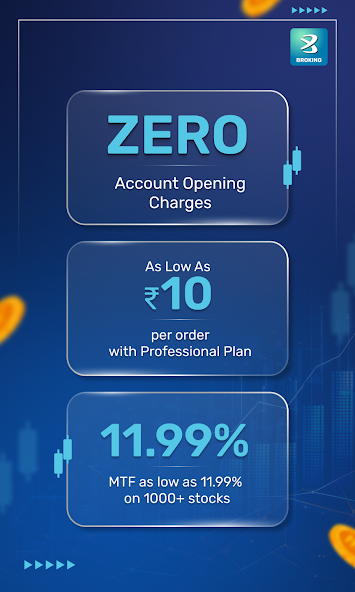
Many users begin their investment journey through an online trading app after opening a Free Demat Account, which acts as the foundation for holding market-linked assets. At the same time, long-term investors often combine trading access with disciplined approaches using tools such as sip app india platforms to balance short-term activity and steady investing. Understanding how an online trading app is structured helps users align their actions with overall market flow.
Understanding the Core Structure of an Online Trading App
The basic structure of an online trading app is designed to present market information in a logical sequence. This layout allows users to move from observation to action without unnecessary steps. A clear structure reduces delays and supports accurate decision-making.
User Interface and Navigation Flow
Navigation is one of the most critical elements of an online trading app. Menus, tabs, and dashboards are arranged to ensure that users can find relevant sections such as market data, order placement, and portfolio tracking without confusion.
A structured interface helps users:
- Track price movements with minimal distraction
- Switch between different asset categories smoothly
- Access account details without interrupting trading activity
This flow ensures that market participation remains steady, even during periods of high activity.
Market Data Presentation and Its Role in Market Flow
An online trading app relies heavily on how market data is displayed. Prices, volumes, and trends must be visible in a way that supports timely interpretation.
Real-Time Updates and Data Organization
Market data is typically organized into segments so users can observe movements without overload. A structured trading app ensures that:
- Price updates are shown consistently
- Market depth is easy to interpret
- Historical data is accessible for reference
This structured presentation helps users respond to market changes calmly rather than reacting impulsively.
Order Placement Structure Within an Online Trading App
The order placement process is central to the function of an online trading app. A clear order flow ensures that users understand each step before confirming a transaction.
Step-by-Step Trade Execution
A structured order screen generally includes:
- Selection of asset
- Choice of order type
- Quantity and price input
- Final review before submission
This sequence reduces errors and supports smoother trade execution. A well-designed structure helps users align their actions with market conditions instead of rushing through decisions.
Portfolio Tracking and Performance Overview
Portfolio management tools form another key layer of an online trading app. These tools allow users to review holdings, gains, and losses in an organized manner.
Structured Portfolio Views
A structured portfolio section enables users to:
- Monitor individual holdings
- Review overall account balance
- Track performance across time
This clarity supports better judgment and prevents emotional reactions during market fluctuations.
Risk Awareness and Decision Support Tools
An online trading app structure often includes tools that support disciplined decision-making. These tools help users stay aligned with their financial approach rather than chasing sudden market movements.
Alerts, Limits, and Notifications
Structured alerts help users stay informed without constant monitoring. Notifications related to price levels or order status help maintain focus while reducing unnecessary screen time.
Such features allow users to stay connected to the market flow without becoming overwhelmed by constant updates.
Educational Integration Within the App Structure
Many users rely on an online trading app not only for execution but also for learning. A structured educational section helps users improve understanding gradually.
Learning Content Placement
Educational content is often placed in separate sections so it does not interrupt active trading. This separation ensures that users can learn at their own pace and apply insights when ready.
This balance supports steady participation and long-term confidence.
Account Setup and Long-Term Investment Support
The account setup process forms the entry point of an online trading app. A clear onboarding structure ensures that users complete necessary steps without confusion.
Linking Trading and Investment Habits
Opening a Free Demat Account is usually the first step toward accessing market instruments. Once set up, users may also explore systematic investing approaches through sip app india tools that support long-term planning.
A structured app allows users to move between trading and investing activities smoothly, supporting both active and gradual participation.
Security and System Stability
The internal structure of an online trading app also determines system stability and data protection. A reliable structure ensures that user actions are processed accurately, even during peak market hours.
Secure login systems, transaction confirmations, and data backups contribute to uninterrupted market access. This stability supports consistent market flow and user confidence.
Conclusion
The structure of an online trading app plays a vital role in supporting smooth market flow. From navigation and data display to order placement and portfolio tracking, every element contributes to how users interact with financial markets. A well-organized system allows users to respond thoughtfully rather than react impulsively.
For many users, starting with a Free Demat Account provides the base for market access, while combining trading activity with disciplined investing through sip app india tools supports balance and long-term planning. When an online trading app is structured with clarity and purpose, it enables users to participate in the market with confidence, consistency, and control.